Author Archives: chris

Navigating the world of AI, LLMs, agents, etc

Artificial Intelligence (AI) has transformed countless industries with its ability to mimic human intelligence. From language understanding to image recognition, various AI systems serve unique purposes. Let’s explore some of the most prominent types of AI systems and what they do.

AI landscape image

Exploring Different AI Systems and Their Functions

Artificial Intelligence (AI) has transformed countless industries with its ability to mimic human intelligence. From language understanding to image recognition, various AI systems serve unique purposes. Let’s explore some of the most prominent types of AI systems and what they do, along with real-world examples.

1. Narrow AI (Weak AI)

Narrow AI systems are designed to perform specific tasks. They excel in their limited domain but lack the general intelligence to handle tasks outside their programming.

  • Examples:
    • Siri and Alexa: Virtual assistants that answer questions, set reminders, and control smart home devices.
    • Netflix and Amazon recommendation algorithms: Suggest movies, shows, or products based on user preferences.
    • Autonomous Vehicles (like Tesla): Use AI to navigate and make driving decisions within a defined environment.
  • What they do: They process data to perform tasks such as speech recognition, image classification, or game playing effectively.

Top Platforms:
Apple Siri
Amazon Alexa
Google Assistant
Netflix Recommendation System
Tesla Autopilot

2. General AI (Strong AI)

General AI refers to systems with human-like intelligence, capable of understanding, learning, and applying knowledge across a wide range of tasks.

  • Current status: Still hypothetical and under ongoing research.
  • What it aims to do: Achieve human-level cognition, reasoning, and problem-solving abilities comparable to a human.

Top Platforms:
Currently, no commercial platforms exist for true General AI; it remains a research goal at institutions like OpenAI and DeepMind.

3. Machine Learning (ML)

A subset of AI, machine learning involves training algorithms to identify patterns in data and make predictions or decisions.

Examples:

  • Email spam filters: Automatically detect and move spam emails to a separate folder.
  • Credit scoring systems: Assess creditworthiness based on user data.
  • Fraud detection: Identify suspicious transactions in banking.
  • What it does: Learns from historical data to improve performance over time without being explicitly programmed for each task.

Top Platforms:
Google Cloud AI and Machine Learning
Amazon SageMaker
Microsoft Azure Machine Learning
IBM Watson Machine Learning
TensorFlow (by Google)

4. Deep Learning

A specialized form of machine learning that uses neural networks with many layers (deep neural networks).

  • Examples:
    • Voice assistants like Google Assistant: Transcribe and understand speech to carry out commands.
    • Image recognition in social media: Automatically tag friends in uploaded photos.
    • Language translation systems: Google Translate, which offers real-time translation of text and speech.
  • What it does: Handles complex data such as images, audio, and natural language with high accuracy.

Top Platforms:
TensorFlow (Google)
PyTorch (Facebook)
Keras
Microsoft Cognitive Toolkit (CNTK)
DeepMind WaveNet

5. Natural Language Processing (NLP)

NLP enables machines to understand, interpret, and generate human language.

  • Examples:
    • Chatbots for customer service: Handle inquiries without human intervention.
    • Language translation apps: Translate speech or text instantly.
    • Sentiment analysis tools: Gauge public opinion on social media or product reviews.
  • What it does: Facilitates interaction between humans and machines through text or speech.

Top Platforms:
Google Cloud Natural Language API
IBM Watson Natural Language Understanding
Microsoft Azure Text Analytics
OpenAI GPT models
Hugging Face Transformers

Subset of niche platforms

Replit

AI-powered platform for building professional web apps and websites.
ReclaimAI

AI calendar app for individuals, teams and companies.

6. Computer Vision

This AI system interprets visual information from the world.

  • Examples:
    • Facial recognition systems: Used in security and unlocking smartphones.
    • Medical image analysis: Detect tumors or abnormalities in X-rays and MRIs.
    • Autonomous vehicle navigation: Recognize obstacles, pedestrians, and traffic signs.
  • What it does: Analyzes images and videos to identify objects, movements, or anomalies.

Top Platforms:
OpenCV
Google Cloud Vision AI
Amazon Rekognition
Microsoft Azure Computer Vision
Clarifai

Conclusion

AI systems are diverse and tailored for specific tasks, from understanding human language to recognizing images. As AI technology advances, these systems will become even more integrated into our daily lives, making tasks easier, faster, and more efficient.

Exploring the Global Landscape of Search Engines

Search engines have become an integral part of our daily lives, serving as the gateway to an overwhelming amount of information on the internet. While giants like Google dominate the global market, there are numerous search engines around the world catering to diverse linguistic, cultural, and regional needs. In this post, I will explore some of the prominent search engines from various corners of the globe.

Google

Market: Global

https://www.google.com
Undoubtedly the most popular and widely used search engine globally, with a market share of around 92%, Google processes billions of searches every day. Its algorithm is renowned for delivering highly relevant and accurate results, making it the go-to choice for users around the world. Google’s dominance is reflected in its vast suite of services, including Google Images, Google Maps, and Google News.

Baidu

Market: China

https://www.baidu.com/

Market share: 70%


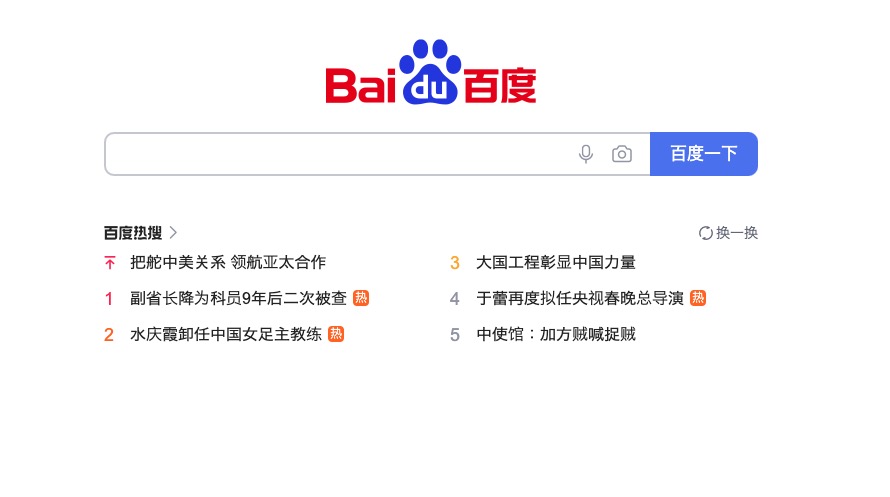
In the vast landscape of China, Baidu is the search engine of choice. With a market share of over 70%, Baidu is deeply integrated into the Chinese digital ecosystem. Baidu not only provides search services but also offers a range of products like Baidu Maps, Baidu Tieba (an online community), and Baidu Baike (similar to Wikipedia).

Yandex

Market: Russia

https://yandex.com/
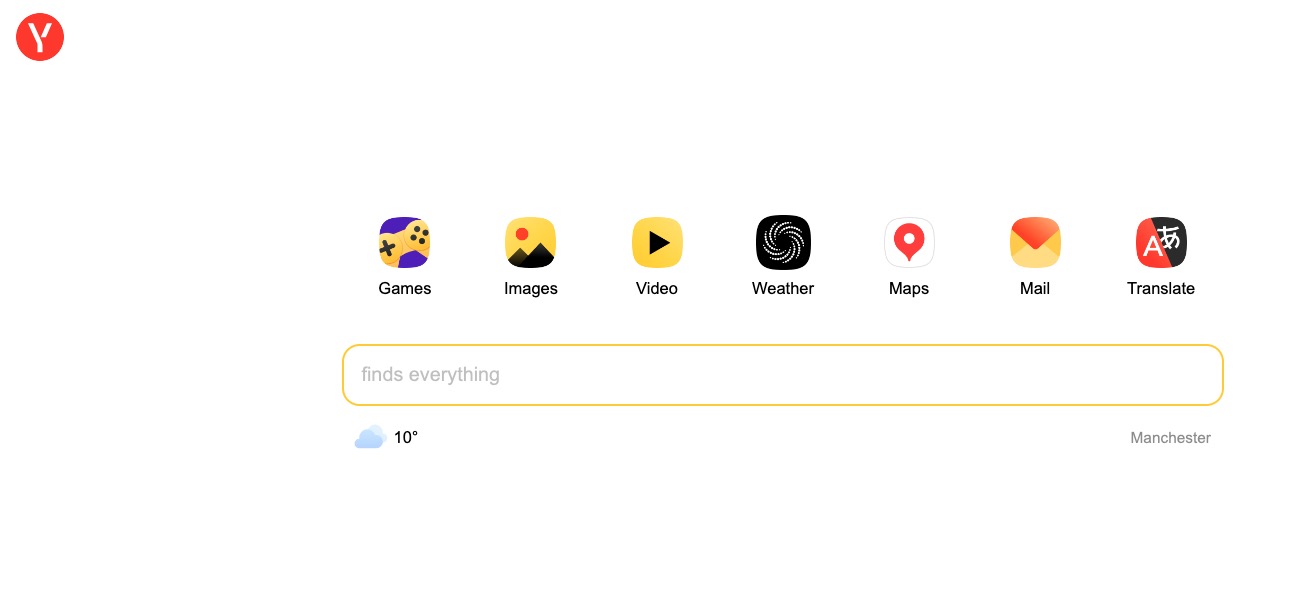
Yandex is the leading search engine in Russia and holds a significant presence in neighboring countries, it’s market share is around 60%. It has a unique advantage in understanding the complexities of the Russian language and provides services like Yandex Maps, Yandex Translate, and Yandex Music. Yandex’s search algorithm is tailored to the linguistic nuances of the Russian language, making it a preferred choice in the region.

Naver

Market: South Korea

https://www.naver.com/


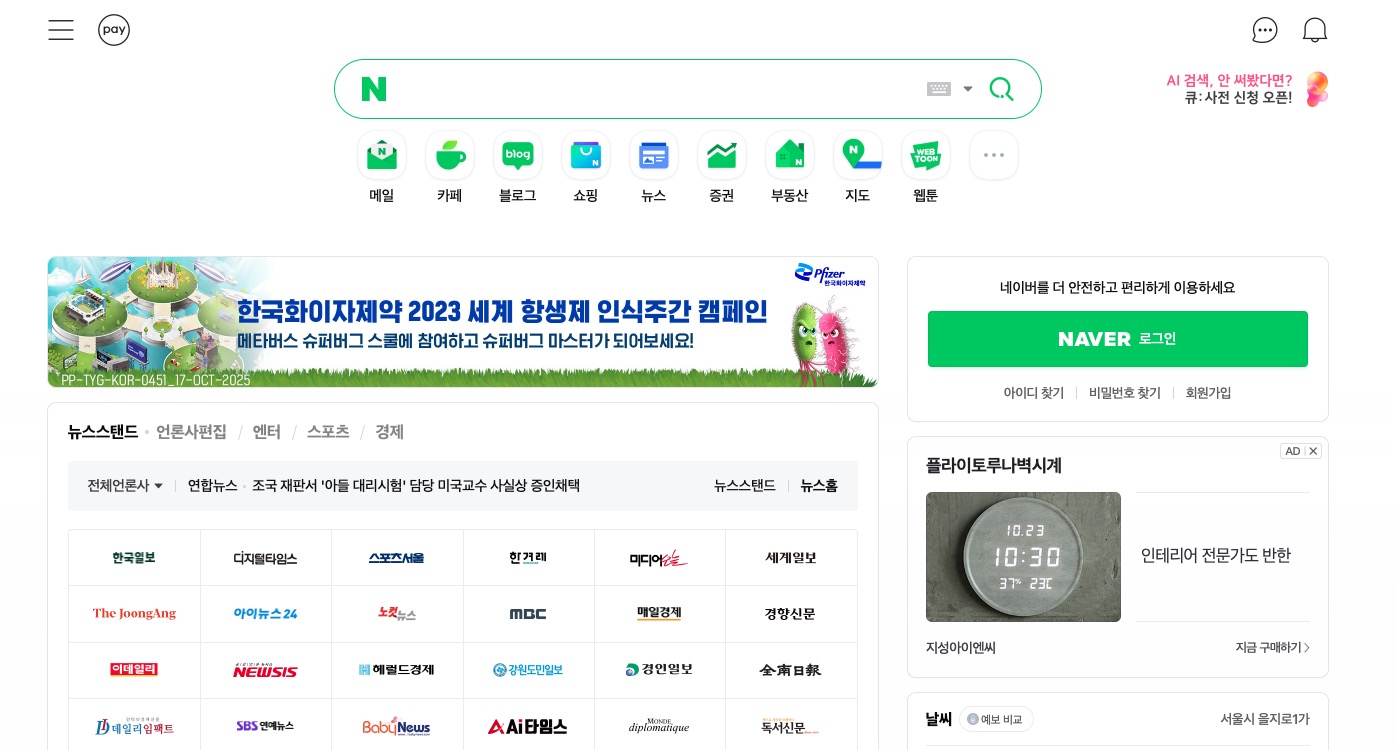
South Korea boasts Naver as its dominant search engine, with around 70% market share it drives far more traffic than Google. Naver is known for its comprehensive approach, integrating search with various services like news, blogs, and a dedicated knowledge-sharing platform called Knowledge iN. It has a distinct focus on local content, providing South Korean users with a rich and personalised search experience.

Yahoo! Japan

Market: Japan

https://www.yahoo.co.jp/ (Please note site can not be viewed in the EU)


While Yahoo may have lost its prominence in many parts of the world, Yahoo! Japan remains a major player in the Japanese search market with around 20% market share. It offers a variety of services, including Yahoo! Japan Auctions, Yahoo! Japan Shopping, and Yahoo! Japan Finance, catering to the diverse needs of Japanese users.

DuckDuckGo

Market: Global

https://duckduckgo.com/


In an era where privacy concerns are paramount, DuckDuckGo has gained popularity for its commitment to user privacy. It doesn’t track user data or personalise search results based on past behaviour. Although it has a smaller market share compared to giants like Google, DuckDuckGo has carved a niche for itself among users who prioritise privacy.

TAGWALK

Market: Global

https://www.tag-walk.com/en

If you are interested in fashion trends from the catwalk, Tagwalk is like a fashion search engine which is run by someone who analyses social media to see what’s trending and popular at the present moment. You can search by type, season, city or brand name.

Screenshot of the homepage  Tagwalk, a fashion search engine which analyses social media to see what's trending and popular

The world of search engines is diverse, with each platform catering to the unique needs of its user base. From global giants like Google to regional leaders like Baidu and Yandex, these search engines play a crucial role in shaping the digital landscape around the world. As technology continues to evolve, the competition among search engines will likely intensify, providing users with more choices and pushing platforms to innovate and improve their services.

How could AI shape the search engine landscape

Artificial Intelligence (AI) is already playing a significant role in shaping the search engine landscape, and its influence is likely to continue growing. Here are several ways in which AI could impact and shape the future of search engines:

Enhanced Search Algorithms:

AI can improve search algorithms by incorporating machine learning models. These models can analyze user behavior, preferences, and historical data to provide more personalized and relevant search results.

Natural Language Processing (NLP):

NLP enables search engines to better understand and interpret human language, making it easier for users to find information using natural language queries. Voice search is a notable application of NLP, allowing users to interact with search engines conversationally.


Context-Aware Search:

AI can help search engines understand the context of a user’s query, taking into account their location, search history, and preferences. This context-awareness can lead to more accurate and personalized search results.
Visual Search:

AI technologies, including computer vision, enable visual search capabilities. Users can search for information using images rather than text, and AI algorithms can identify and retrieve relevant content based on visual cues.


Personalisation:

AI allows search engines to personalise search results based on individual user behaviour, preferences, and demographics. This personalisation enhances the user experience by presenting content that is more likely to be relevant and interesting to each user.


Predictive Search:

AI can predict a user’s intent and provide search suggestions before the user finishes typing their query. This predictive search feature saves time and helps users find information more efficiently.


Ranking and Relevance:

AI algorithms can continuously learn and adapt to changing trends, ensuring that search engine results are ranked based on relevance to current user preferences and context. This helps maintain the quality of search results over time.


Semantic Search:

AI enables semantic search, allowing search engines to understand the meaning behind words and phrases. This goes beyond keyword matching and helps in delivering more accurate results by understanding the user’s intent.
User Engagement Analysis:

AI can analyze user engagement metrics to evaluate the quality of search results. This feedback loop helps search engines continuously refine their algorithms and improve the overall user experience.


Content Summarisation and Extraction:

AI can assist in summarising and extracting key information from lengthy documents or web pages, providing users with concise and relevant snippets directly in the search results.
Real-Time Updates:

AI can facilitate real-time updates and adjustments to search engine algorithms, allowing search engines to adapt quickly to changing circumstances, user behavior, and emerging trends.


As AI technologies continue to advance, their integration into search engines will likely lead to more sophisticated, efficient, and user-friendly search experiences, further shaping the landscape of online information retrieval.